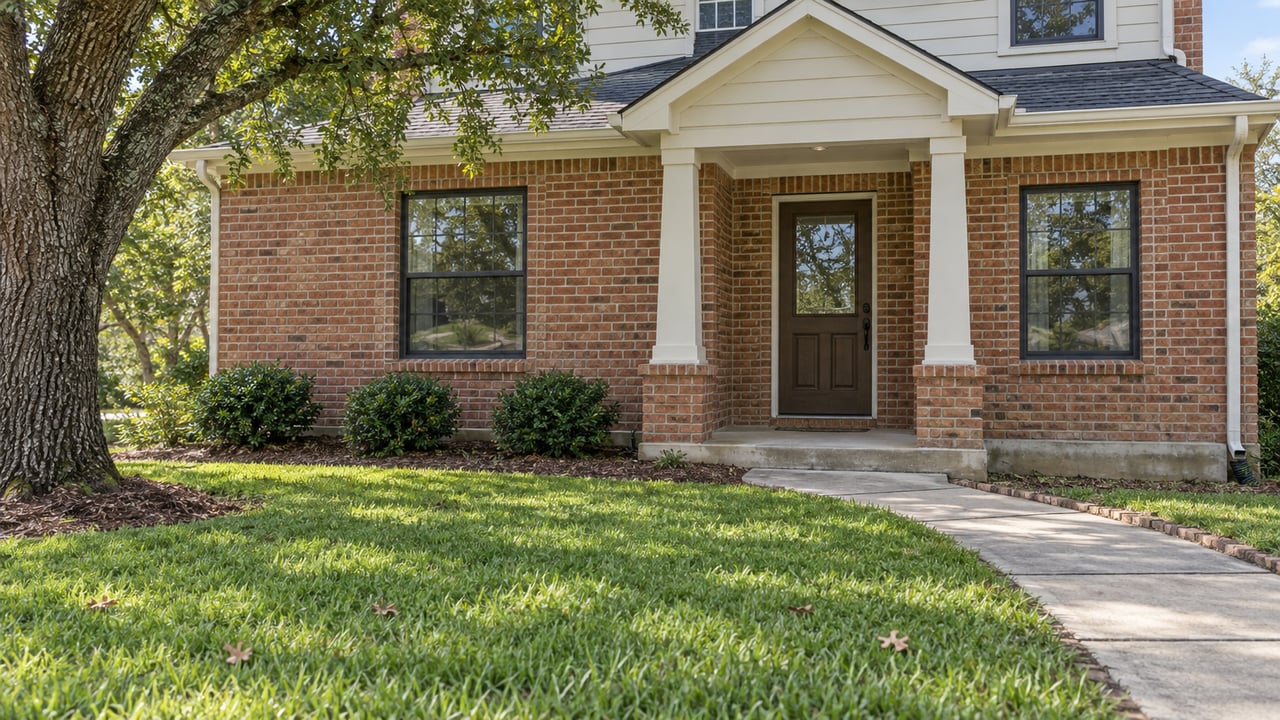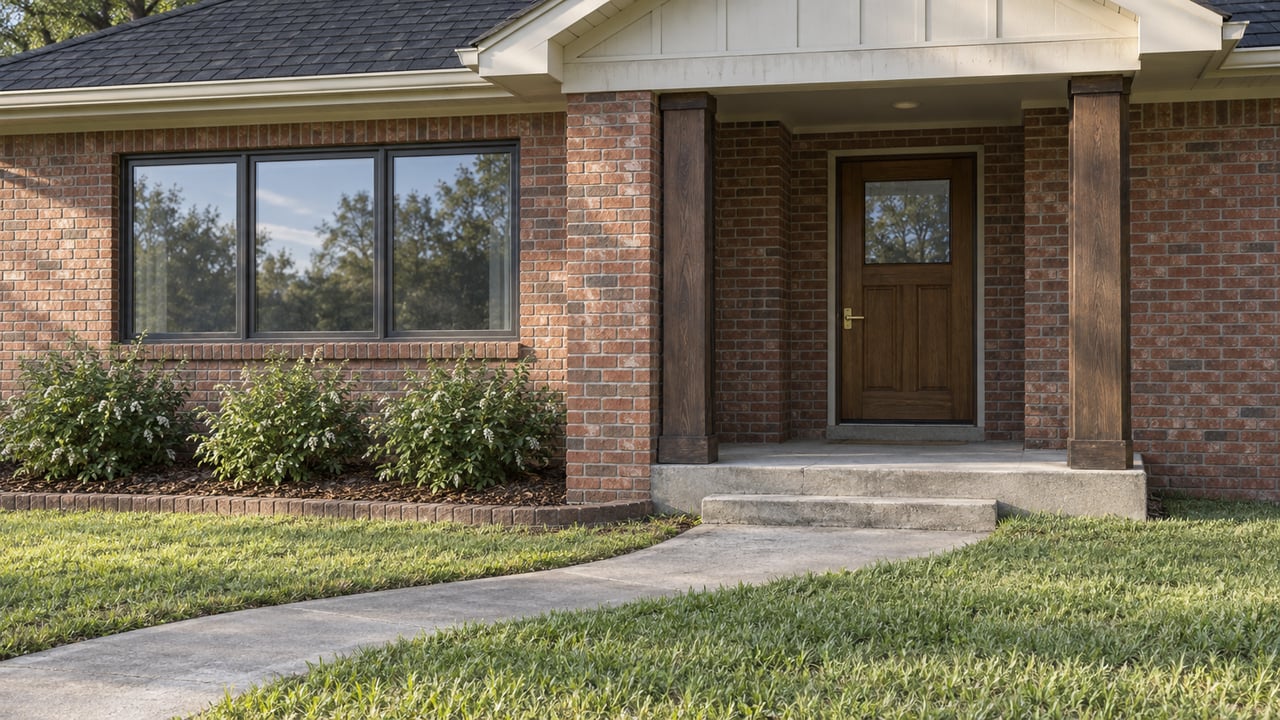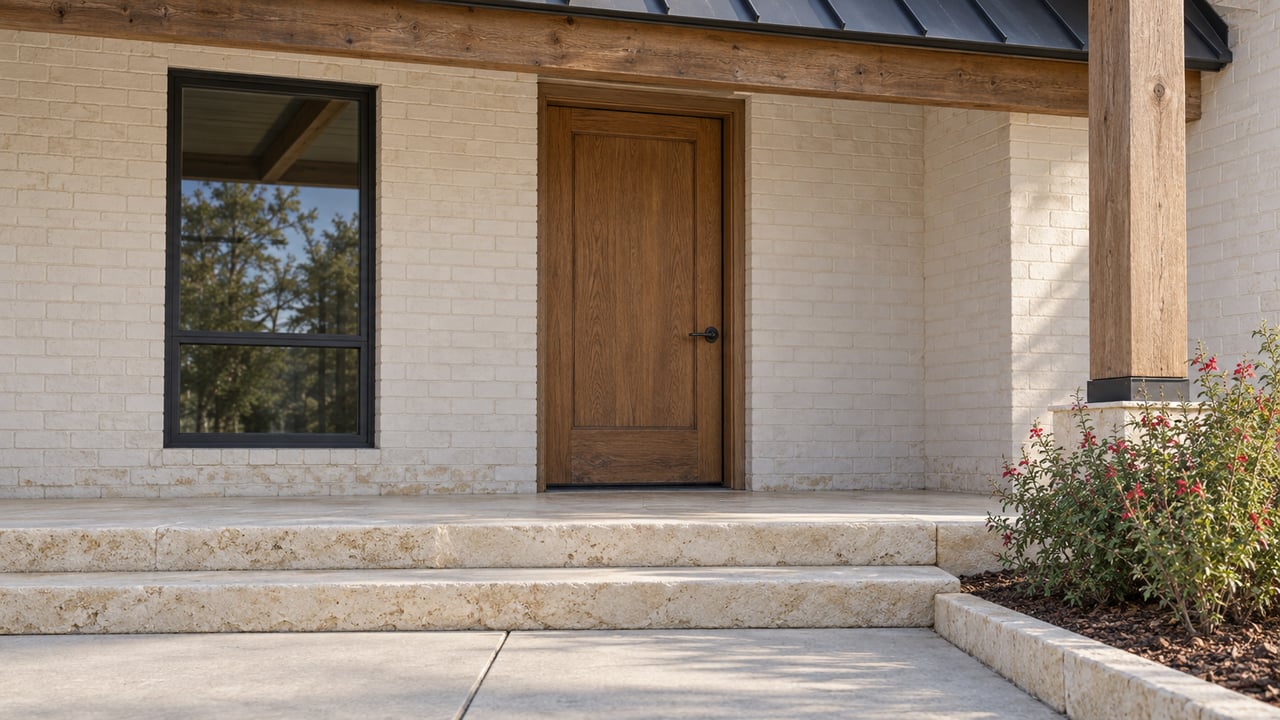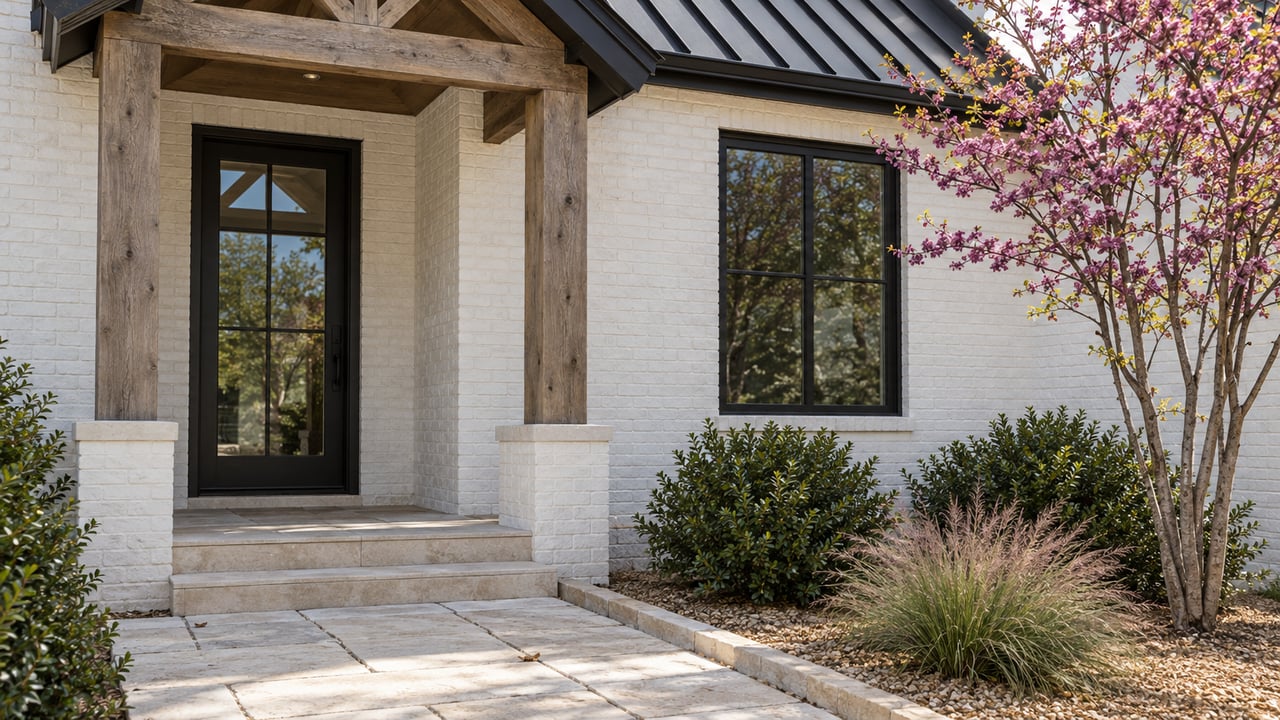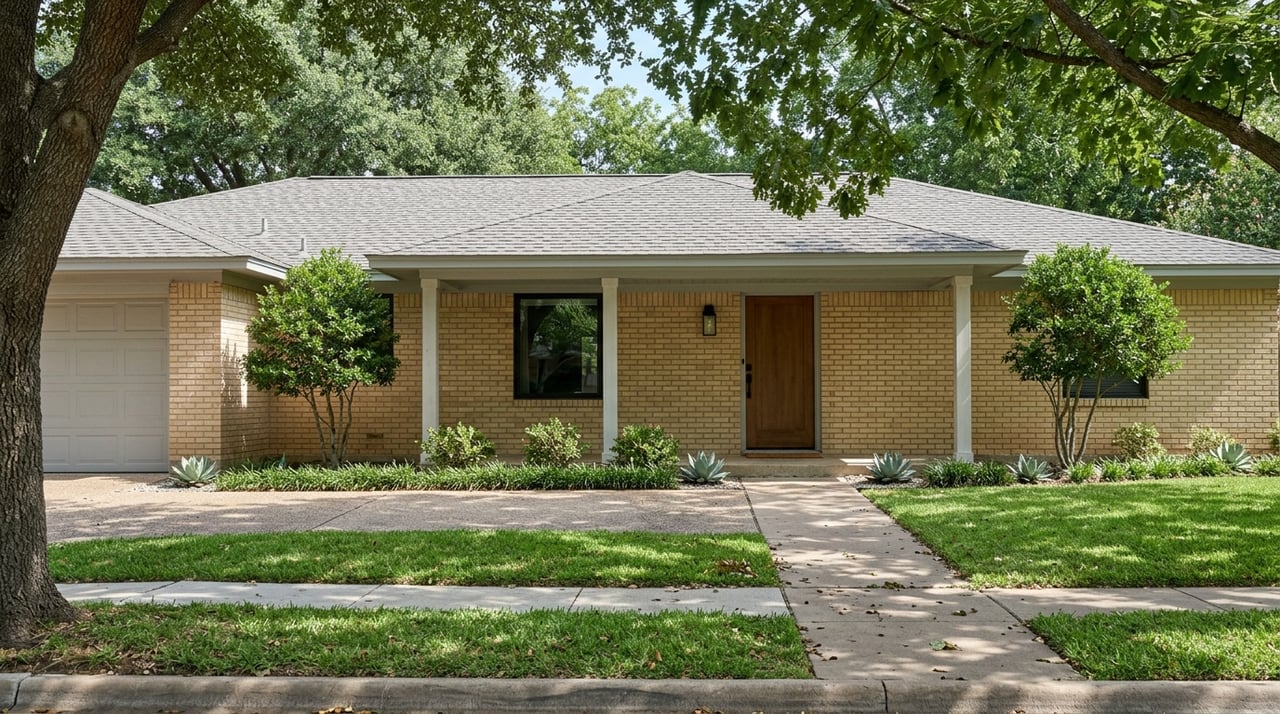
If you are trying to choose between a brand-new home and an older neighborhood in Georgetown, you are not alone. It is one of the most common decisions buyers face in a fast-growing market where both options can be appealing for very different reasons. The good news is that there is no one-size-fits-all answer, and the right choice usually comes down to how you want to live, what details matter most, and how much flexibility you need. Let’s break it down.
Why this choice matters in Georgetown
Georgetown continues to attract buyers who want a mix of growth, homeownership opportunity, and neighborhood variety. The city's 2024 population estimate was 101,344, and Census QuickFacts shows an owner-occupied housing rate of 69.5% with a median owner-occupied home value of $429,100.
That helps explain why both new construction communities and established neighborhoods stay active. You are not just choosing a house style here. You are often choosing between different lot patterns, amenities, neighborhood rules, and timelines.
What new builds offer in Georgetown
In Georgetown, much of the new construction inventory is concentrated in master-planned communities like Parmer Ranch, Wolf Ranch, and The Heights at San Gabriel. These neighborhoods typically promote modern floorplans, newer finishes, and shared amenities such as parks, trails, pools, fitness space, social areas, and nearby retail.
If you want a home that feels current from day one, a new build can check a lot of boxes. You may also have the option to choose finishes, adjust design selections, or purchase a quick move-in home depending on the builder and the phase.
Floorplans and customization
One of the biggest draws of new construction is flexibility. Many Georgetown communities market single-family homes with open layouts, newer systems, and design-center selections that let you personalize parts of the home.
That said, customization varies by builder and build stage. A home that is already under construction may offer fewer choices than one purchased earlier in the process.
Amenities and community design
Newer communities often put a strong focus on lifestyle amenities. Parmer Ranch highlights parks, trails, and community activity, while Hillwood notes that Wolf Ranch includes association management and a lifestyle director.
For some buyers, that built-in structure is a major plus. If you like the idea of organized events, shared spaces, and a more planned neighborhood layout, this can be a strong reason to lean toward new construction.
Lot sizes and uniformity
A newer neighborhood can also mean more predictable lot sizes and home placement. Current Georgetown examples include 40- to 50-foot lots in Melina, 70-foot lots in The Heights at San Gabriel, and marketing in Parmer Ranch that emphasizes larger backyards, according to Hillwood community information.
That consistency can make it easier to compare homes, but it may also mean less variation from one street to the next. If you care about a very specific lot shape, setback, or yard feel, it is worth looking closely at the plat and site layout.
Build timing can vary
A common misconception is that new construction always means immediate move-in. In reality, Georgetown developments are often built in phases, and timing can range from quick move-in to a much longer wait.
For example, GFO Home reported that Parmer Ranch's 454-acre plan is expected to include about 1,000 homes over time, along with commercial space, parkland, and schools. Hillwood has said Melina will include about 840 homesites, with first residents expected in spring 2027 and full buildout projected in 2032.
What established neighborhoods offer
Established Georgetown neighborhoods tend to deliver a different kind of value. Instead of newer amenity packages and highly uniform streetscapes, these areas often appeal to buyers who want variety, location, and a neighborhood feel shaped over time.
City planning layers show Georgetown's Historic Overlay, Downtown Overlay District, and Old Town Overlay areas, along with neighborhood associations in long-established communities such as Old Town, North Old Town, Berry Creek, Georgetown Village, and Sun City. That tells you right away that Georgetown has a broad mix of neighborhood types, not just one style of housing.
More variety in homes and lots
One of the clearest differences in older neighborhoods is visual and structural variety. Based on Georgetown planning data, established areas often have older street patterns and a wider range of lot shapes and sizes than newer master-planned communities.
If you like the idea of homes with different ages, architecture, and setbacks, established neighborhoods may feel more interesting and less uniform. In some parts of town, that can also mean blocks that developed in earlier phases rather than all at once.
Location and access
Established neighborhoods often compete more on location than on private amenity packages. Depending on the block, you may feel closer to downtown destinations, public parks, or trail connections.
Georgetown's parks and trails mapping shows a citywide network that includes the San Gabriel River Trail, South San Gabriel Trail, Pickett Trail, and Randy Morrow Trail. For buyers who prioritize public outdoor access and established in-town positioning, that can be a meaningful advantage.
Different rules may apply
Older neighborhoods are not always rule-free. Some are part of neighborhood associations or HOA structures, while others may fall within city overlay districts that affect what owners can do with the property.
If you are looking in or near older parts of Georgetown, it helps to understand whether a home sits in a historic overlay, downtown overlay, or another mapped district. Those details can shape renovation plans, exterior changes, and long-term expectations.
New build vs established: key differences
Here is a simple side-by-side view of how these options often compare in Georgetown.
| Feature | New Build Communities | Established Neighborhoods |
|---|---|---|
| Home style | More modern and consistent | More varied by age and architecture |
| Floorplan options | Often flexible, depending on phase | Usually fixed existing layouts |
| Amenities | Frequently include pools, parks, trails, or social spaces | More often rely on public amenities and location |
| Lot pattern | Often standardized | More variation in lot shape and size |
| Timeline | Can range from quick move-in to future-phase delivery | Usually resale timing |
| Rules | HOA structure is common | May involve HOA, neighborhood association, or overlays |
| Neighborhood feel | Planned and uniform | More organic and layered over time |
How to decide what fits you best
The better choice usually depends on what you value most in your day-to-day life. If you want customization, newer systems, and an amenity-rich setting, new construction may be the better fit. If you care more about location, older street patterns, and a mix of home styles, an established neighborhood may feel more like home.
Budget also deserves a closer look. In Georgetown, price differences are not simply about new versus old. Product type, lot width, amenities, HOA structure, build phase, and location can all shape the total value.
Questions to ask before choosing
Before you make a decision, compare the details that most affect your experience and costs:
- Lot width and setbacks
- HOA dues and rules
- Whether the neighborhood offers lifestyle programming
- Whether the property is in a historic or downtown overlay
- Whether the home is inside Georgetown city limits or in the ETJ
- Whether the area includes a MUD or PID
- School zoning
- Whether the home is a resale, quick move-in, or future-phase build
Georgetown's city mapping resources can help you verify city limits, ETJ boundaries, development layers, and other planning details that may affect your decision.
A practical Georgetown strategy
If you are still torn, start by touring both types of neighborhoods back to back. Walk an established in-town area, then visit a newer master-planned community on the same day. It is often easier to spot your priorities when you compare lot layout, street feel, amenities, and location in real time.
You do not need to decide based on labels alone. In Georgetown, the better choice is usually the home and neighborhood combination that fits your timeline, budget, and lifestyle goals most clearly.
If you want help comparing Georgetown neighborhoods, timelines, and property details with a clear plan, the Donnette Premier Group can help you narrow your options and move forward with confidence.
FAQs
What is the main difference between Georgetown new builds and established neighborhoods?
- In Georgetown, new builds often offer modern floorplans, standardized lots, and community amenities, while established neighborhoods usually offer more variety in architecture, lot shape, and street layout.
Are Georgetown new construction homes always move-in ready?
- No. Some Georgetown new builds are quick move-in homes, but others are released in future phases that may require a longer wait.
Do Georgetown established neighborhoods have HOAs?
- Some do. Georgetown mapping shows long-established communities with neighborhood associations and HOAs, so you should verify the structure and rules for any specific property.
How do Georgetown overlays affect older neighborhoods?
- Some established Georgetown areas fall within historic or downtown overlay districts, which can affect property rules, renovation plans, or exterior changes.
What should you compare before buying in Georgetown?
- You should compare lot width, setbacks, HOA dues and rules, overlay status, city limits or ETJ location, MUD or PID status, school zoning, and whether the home is resale, quick move-in, or future-phase construction.