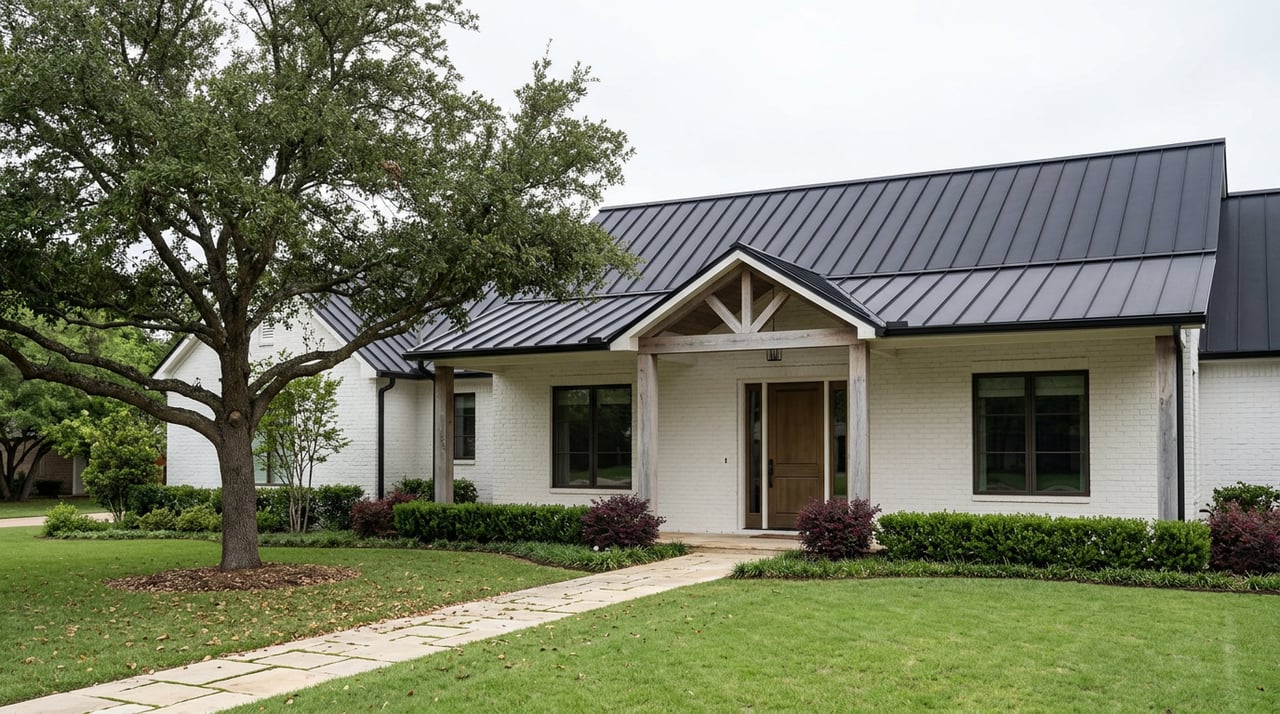
Trying to make sense of the appraisal step in a Texas home sale or purchase? You are not alone. In Lakeway, views, hills, and lake access can make values feel nuanced and sometimes unpredictable. This guide breaks down how appraisals work in Texas, what appraisers look for in Lakeway, how long it takes, and what to do if the number comes in low. Let’s dive in.
What a home appraisal is
A home appraisal is an independent estimate of market value used by your lender to decide how much they can safely loan. It is not the same as a tax assessment or an insurance estimate. The goal is to protect the lender’s collateral while giving everyone a data‑driven value point.
According to the CFPB’s consumer guidance, appraisals rely on local market data and a physical inspection. By contrast, the Travis Central Appraisal District sets tax values using its own mass‑appraisal process for property taxes. These numbers often differ because they serve different purposes.
Why lenders require it
Lenders need a neutral, evidence‑based value to underwrite your loan. Most lenders order the appraisal through an appraisal management company or internal panel to keep the process independent. Appraisers follow national and state standards to ensure quality and consistency.
Who sets the rules in Texas
Appraisers must follow USPAP, the national standards maintained by The Appraisal Foundation. USPAP sets rules for ethics, competency, confidentiality, and reporting.
In Texas, licensing and discipline are managed by the Texas Appraiser Licensing and Certification Board. Real estate agents are regulated separately by the Texas Real Estate Commission. Different loan programs can add rules too. FHA and VA appraisals include extra property condition checks under HUD guidance.
The appraisal process and timeline
Here is how most mortgage appraisals unfold in Lakeway and across Texas.
Step by step
- Order and assignment: The lender or AMC orders the appraisal after you apply for the loan and sign a contract, or during pre‑approval for some refinances.
- Research and scheduling: The appraiser analyzes neighborhood data, zoning, and recent sales, then sets the inspection.
- Inspection: The appraiser tours the interior and exterior, measures living area, photographs the home, and notes condition, upgrades, lot features, and special items like pools or boat slips.
- Market analysis: The appraiser selects comparable sales and adjusts for differences in size, age, quality, site, view, garage, pool, and more. Sales comparison is the primary method for single‑family homes.
- Report and lender review: The appraiser submits the report, often on a standard form such as the URAR. The lender reviews it in underwriting.
- Revisions or reconsideration: If there are questions, the lender may ask for clarifications, a reconsideration of value, or a second opinion.
How long it takes
- Order to inspection: often 2 to 7 business days.
- Inspection to report: often 3 to 7 business days if the home is not unusually complex.
- Overall: around 5 to 10 business days in a normal market. High‑end custom homes or busy seasons can take 2 weeks or more. These ranges align with CFPB consumer guidance and general timelines shared by NAR.
What appraisers look for in Lakeway
Appraisers focus on value drivers they can support with market evidence:
- Recent comparable sales: Preferably nearby and within the last 3 to 6 months when available.
- Location context: Proximity to community amenities, golf courses, marinas, parks, and traffic patterns in Lakeway.
- Home characteristics: Gross living area, bedroom and bath count, construction quality, updates to kitchens and baths, roof and HVAC condition, outdoor living, pool or spa, and garage capacity.
- Lot and site: Lot size, slope, usable yard space, orientation, drainage, and access.
- Utilities and systems: Public sewer and water versus septic or well, plus any private road or gated access details.
- Condition and maintenance: Deferred maintenance or needed repairs can reduce value or trigger lender conditions.
- Market conditions: Shifts in supply and demand can lead to time adjustments.
Views, waterfront, and topography
Lakeway’s views and terrain are unique. Appraisers typically search for comparable sales with similar view quality and site characteristics. A panoramic lake view, partial view, or no view are different market categories. Premiums for views or deeded water access must be supported by recent sales, not opinion. Guidance from the Appraisal Institute emphasizes evidence‑based adjustments for site and view.
Steep hillside lots can limit usable yard or increase foundation and retaining‑wall costs. Appraisers weigh this through comparable sales or the cost approach when appropriate. For lakefront or near‑shore homes, FEMA flood zones and elevation can matter for lenders. You can check maps at the FEMA Flood Map Service Center.
If your home has a boat slip, deeded access, or unique outdoor living features, provide documentation. Clear records help the appraiser apply the right comps and adjustments.
How to prepare for your appraisal
A tidy, well‑documented home helps the appraiser see and verify value. Focus on clarity, safety, and proof for upgrades.
For sellers
- Gather documents: Surveys, floor plans, recent permits, invoices for major upgrades, HOA rules or contact info, and any deeded access or boat slip documents.
- Create a features list: Note high‑value improvements with dates and approximate costs, such as new roof, HVAC, kitchen or bath remodels, pool, solar, or outdoor kitchen.
- Provide view and site context: Include photos that show view corridors, terraces, and usable yard areas. If the lot is steep, explain how you use outdoor spaces.
- Fix obvious issues: Address simple safety or maintenance items and ensure all rooms are accessible.
For buyers
- Share your contract and access details promptly so the appraiser can schedule.
- Be available during the inspection to answer basic questions without steering value.
- If you or your agent have strong comps, provide them through the lender up front for context. The appraiser still must choose comps independently, but context helps.
If the value comes in low
Low appraisals can happen, especially with custom homes or fast‑moving markets. You have options.
- Check for factual errors: Confirm square footage, bedroom and bath counts, finished space, and key features. If something is wrong or missing, ask the lender to send corrections to the appraiser. The CFPB notes you can request explanations and reviews.
- Request a reconsideration of value: Submit better comps, documentation of upgrades, and corrections through your lender or AMC. The lender decides whether to ask the appraiser to reconsider or to order a review.
- Ask for a review or second appraisal: Some lenders will order a desk review or a second opinion, which can add time and cost.
- Use contract options: Many Texas contracts include appraisal‑related contingencies. You may renegotiate price, bring additional cash, request concessions, or terminate if the contract allows. Review specifics with your agent and see resources at TREC.
- Follow FHA or VA rules when applicable: FHA appraisals include property condition checks and minimum standards. Appeal routes follow HUD guidance.
Success on reconsideration depends on strong evidence and clear errors, not opinion. Expect a few days to a couple of weeks for lender review, or longer if a second appraisal is needed.
Common outcomes and what they mean
- At or above contract price: The loan proceeds using the appraised value. If the appraisal is above contract, the contract price still governs unless renegotiated.
- Below contract price: Parties may renegotiate, the buyer may bring cash to cover the gap, the seller may offer concessions, or the parties may request a review or second appraisal. Termination may be possible if allowed by the contract.
- Repairs required: FHA or VA appraisals may flag repairs that must be completed before closing, which can affect timing.
Lakeway documents to gather for the appraiser
- Recent comparable sales you or your agent believe match your view, lot, and finish level
- List of improvements with dates, costs, and permits if applicable
- Survey, floor plan, or builder plan that clarifies square footage and layout
- Deeded access or boat slip documentation, HOA rules that affect use, and contact info
- Any elevation certificate or flood map details for lake‑adjacent properties
- Utility details such as septic or well records, or confirmation of public services
Ready to navigate your Lakeway appraisal with confidence? The team approach you get with Donnette Premier Group brings neighborhood knowledge, organized prep, and practical negotiation strategies so you can move forward with clarity.
FAQs
What happens during a Texas home appraisal inspection in Lakeway?
- The appraiser inspects interior and exterior spaces, measures living area, photographs features, notes condition and upgrades, and observes site factors like slope and view.
Will an appraiser fully count my Lake Travis view?
- View premiums must be supported by market evidence, so appraisers look for comparable sales with similar view quality and document any adjustments based on data from the local market.
How long do appraisals take in Travis County, Texas?
- Many appraisals finish in 5 to 10 business days from order in a normal market, with complex or custom homes sometimes taking 2 weeks or more.
Can I challenge a low appraisal in Texas?
- Yes, you can ask the lender for a reconsideration of value by submitting better comparables, factual corrections, and documentation, or you can request a review or second appraisal.
Is a mortgage appraisal the same as my TCAD tax value?
- No, the mortgage appraisal estimates market value for lending, while the Travis Central Appraisal District sets tax values using a separate process for property taxation.
What if the property has septic or well service in Lakeway?
- Appraisers note utility types because they can affect value and loanability, so provide any records or permits that document system details and maintenance.