Thinking about moving to Round Rock? You are not alone. With a growing population, strong access to major employers, and a suburban housing mix that appeals to many buyers and renters, Round Rock has become a top choice for people who want more space while staying connected to the Austin area. If you are weighing a move, this guide will help you understand what daily life, housing, commuting, and local amenities really look like so you can make a confident decision. Let’s dive in.
Why Round Rock draws new residents
Round Rock sits about 15 miles north of Austin, and downtown Round Rock is about 19 miles north of downtown Austin. Its location near IH-35 helps explain why it continues to attract new residents who want regional access without being in the center of Austin.
The city’s April 2026 estimate places the population at 142,530, up from 119,468 in the 2020 Census. That kind of growth often signals a market where people see long-term value in location, convenience, and lifestyle.
For many households, Round Rock offers a practical middle ground. You can find suburban-style living, access to major roadways, and a broad employment base, all in one city.
What the cost picture looks like
Before you move, it helps to get clear on the numbers that shape your monthly budget. Census data for Round Rock show a median household income of $99,287, a median owner-occupied home value of $418,600, and a median gross rent of $1,763.
The city also reports that its combined property tax and utility rates are among the lowest in the region, and its water and wastewater rates are among the lowest in Central Texas. Round Rock’s sales tax rate is 8.25 percent.
Those figures do not tell you exactly what you will spend, but they do give you a useful baseline. If you are comparing Round Rock with nearby Austin-area suburbs, this helps you set realistic expectations for both buying and renting.
Commuting in and around Round Rock
If your job, family, or routine takes you across the region, transportation matters. Round Rock is directly served by I-35, SH-45, SH-130, and US 79, which gives residents multiple ways to move around Central Texas.
Austin-Bergstrom International Airport is about 25 miles from downtown Round Rock by way of I-35 or SH 130. That can be especially helpful if you travel often for work or need regular airport access.
The Census reports a mean commute time to work of 24.9 minutes. For many new residents, that points to a manageable daily commute, though your actual drive will depend on your route, work hours, and destination.
Public transit options to know
Round Rock does offer public transportation, but it is important to understand how it fits into daily life. The city lists a daily commuter express between the Round Rock Transit Center Parking Garage and downtown Austin, fixed-route bus service in partnership with CapMetro, and Round Rock Rides for on-demand trips within city limits.
Additional options include Route 50, Route 152, Route 980, and the CARTS Interurban Coach. These services can be useful, especially for select commutes or local trips.
Still, many households will find that Round Rock works best if you are comfortable driving for most day-to-day errands and activities. If a fully transit-first lifestyle is a must-have for you, that is worth thinking through before you choose where to live.
Employment and job access
One reason Round Rock stands out is that it is not just a bedroom community. The city has a broad local employment base, which can give you more options if you want to live and work nearby.
Major employers listed by the city include Dell, Round Rock Premium Outlets, Kalahari Resorts and Conventions, Ascension Seton Williamson, Baylor Scott & White Healthcare, St. David’s Round Rock Medical Center, Emerson Process Management, Amazon, and UPS. That mix includes technology, healthcare, logistics, retail, and hospitality.
The Round Rock Chamber says the city has more than 4,000 businesses and more than 75,000 employees. It also notes that Round Rock is less than a 30-minute drive from major Austin-area employers such as Google, Apple, Tesla, Meta, Oracle, IBM, HP, Expedia, and Amazon.
For you, that means Round Rock can support different work patterns. You may be able to work locally, commute into other parts of the metro, or split your time depending on your role.
What housing feels like in Round Rock
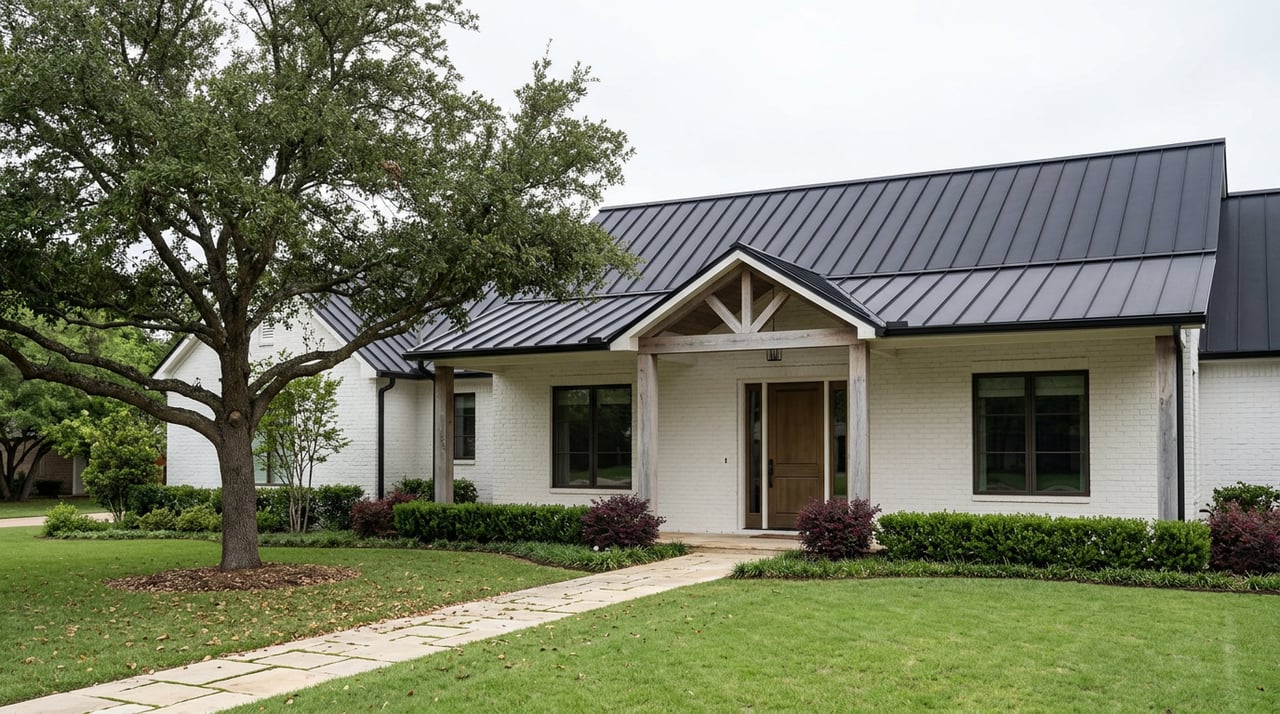
If you are relocating for more room, Round Rock may line up well with your goals. The city’s 2024 Consolidated Plan says 65 percent of the housing stock is 1-unit detached, which supports the city’s suburban, single-family character.
The same report says 29 percent of units are in 5-19 unit structures, 4 percent are in 2-4 unit properties, and 2 percent are 1-unit attached homes. Census data also show an owner-occupied rate of 55.5 percent.
That mix matters because it shows Round Rock is not one-size-fits-all. While the city leans toward detached housing, there are still rental and multi-unit options for residents who want flexibility.
What that means for buyers
If you are buying, Round Rock may appeal to you if you want more traditional suburban housing patterns. Many buyers relocating from denser areas are looking for additional square footage, a yard, or a neighborhood setting that feels more residential.
Because the market includes both owner-occupied and rental housing, it is smart to compare areas block by block and neighborhood by neighborhood. Your lifestyle goals, commute, and preferred home style should all shape your search.
What that means for renters
If you are renting first before buying, Round Rock can still be a practical landing spot. The presence of multi-unit housing and the city’s strong regional access can make it easier to get settled while you learn the area.
Renting can also give you time to evaluate commute routes, local amenities, and the parts of Round Rock that best fit your routine. For many new residents, that step can make a later home purchase more informed.
School district boundaries can vary
If schools are part of your home search, address-level verification is important. Round Rock ISD serves Round Rock plus parts of Williamson and Travis counties, including parts of Cedar Park and Austin.
Because city boundaries and district lines do not perfectly match, you should confirm school assignment by exact address before making a decision. That extra step can help you avoid surprises during your search.
Amenities that shape daily life
Round Rock’s appeal is not just about housing or commute times. The city also offers a strong lineup of public spaces and activity hubs that can shape your day-to-day experience.
Old Settlers Park spans 670 acres and includes baseball, softball, soccer, disc golf, cricket, trails, fishing, tennis, playgrounds, and pavilions. For many residents, that kind of park access is a major quality-of-life benefit.
The city also operates the Round Rock Public Library System, Clay Madsen Recreation Center, and Allen R. Baca Center. These amenities add options for recreation, community programming, and everyday convenience.
Downtown and entertainment highlights
Downtown Round Rock is being positioned as a walkable, mixed-use town center anchored by a historic district. That gives the city a different feel from purely residential suburban areas and creates a local destination for shopping, dining, and events.
Visitor materials also highlight Dell Diamond, Round Rock Sports Center, Round Rock Premium Outlets, Kalahari Resorts and Conventions, Round Rock Donuts, concerts, and other events. Together, these destinations help create a lifestyle that blends suburban living with active entertainment options.
Is Round Rock the right fit for you?
Round Rock tends to work well for people who want suburban housing, community amenities, and access to a larger regional job market. If you want more space than you may find closer to Austin, this city deserves a serious look.
It may be especially appealing if you value detached homes, driving access to major corridors, and a practical balance between local conveniences and metro-wide reach. On the other hand, if your top priority is a fully walkable, transit-first lifestyle across the entire city, you may want to compare Round Rock with more urban options.
The key is matching the city to the way you actually live. A move goes more smoothly when your commute, housing goals, and daily habits all fit the area you choose.
Smart relocation tips before you move
Relocating is easier when you narrow your priorities early. Before you choose a rental or home, focus on the details that will shape your first year in Round Rock.
Here are a few smart steps to take:
- Map your commute using likely work hours, not just off-peak times
- Compare monthly housing costs with your full transportation budget
- Verify school assignment by exact address if that is relevant to your move
- Visit key destinations like parks, downtown, and shopping areas to understand daily convenience
- Decide whether you want to rent first or buy right away based on your timeline and comfort level
A thoughtful plan can save you time, stress, and expensive course corrections after you move.
If you are planning a move to Round Rock and want help comparing neighborhoods, understanding your options, or preparing to buy, rent, or sell in the Austin suburbs, connect with Donnette Premier Group. Their team offers clear guidance, local insight, and a process-driven approach that helps you move forward with confidence.
FAQs
What should new residents know about Round Rock commuting?
- Round Rock is served by I-35, SH-45, SH-130, and US 79, and the mean commute time is 24.9 minutes. Public transit options exist, but many residents still rely on driving for most daily trips.
What should new residents know about Round Rock housing?
- Round Rock’s housing stock is largely single-family detached, with 65 percent of units in that category. The city also includes rental and multi-unit housing, so you can find more than one type of living arrangement.
What should new residents know about Round Rock schools?
- Round Rock ISD serves Round Rock and parts of nearby areas, so school boundaries may not line up neatly with city limits. You should verify school assignment by exact address during your search.
What should new residents know about Round Rock amenities?
- Round Rock offers major amenities such as Old Settlers Park, the public library system, Clay Madsen Recreation Center, and downtown destinations and event venues. These features are a big part of the city’s everyday appeal.
What should new residents know about Round Rock job access?
- Round Rock has a broad local employment base and is also positioned for access to major Austin-area employers. That gives residents flexibility if they want to work locally or commute within the region.