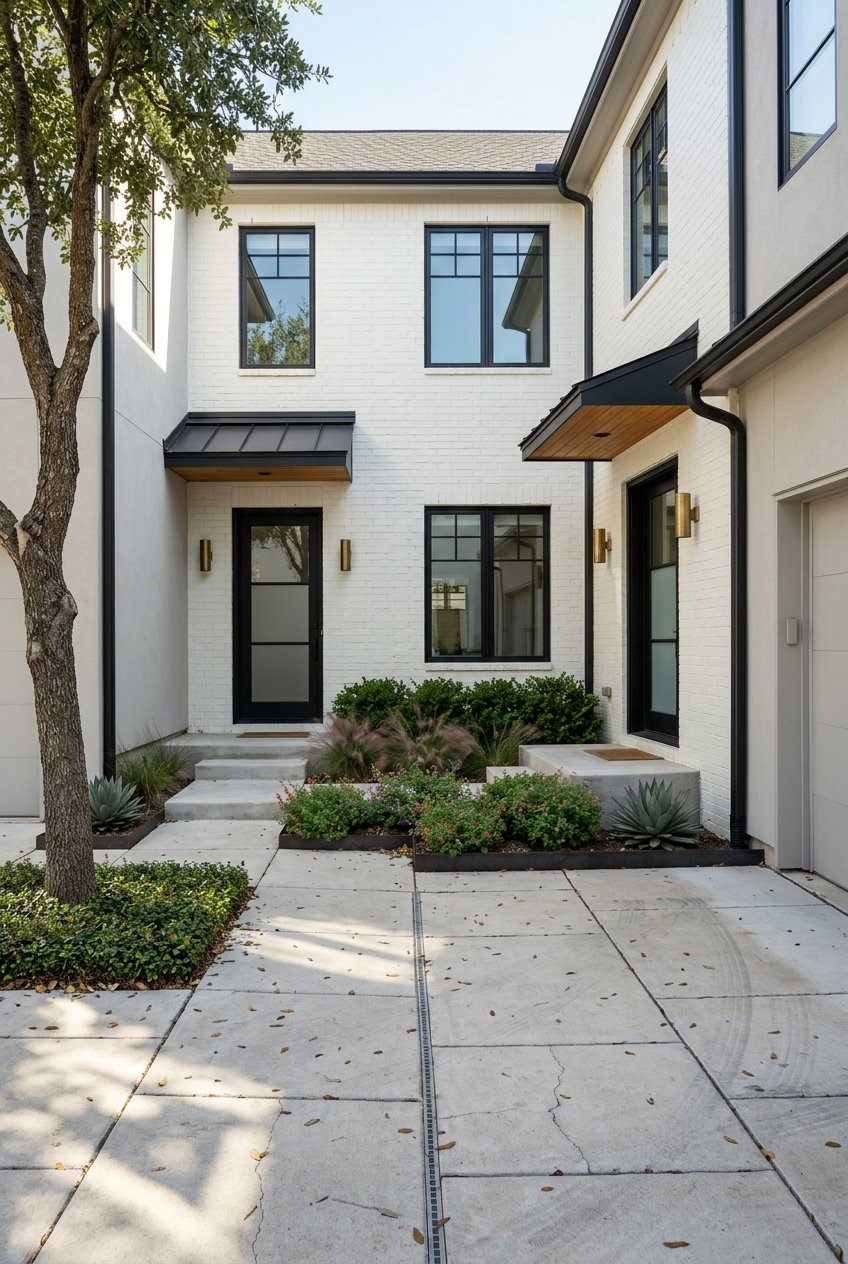
Are you drawn to Bee Cave but not sold on the upkeep that comes with a larger detached home? You are not alone. For many buyers, condos and townhomes offer a practical way to enjoy this Hill Country area with less day-to-day maintenance, access to shared amenities, and a location that can put shops, services, and recreation closer to home. If you are weighing your options, this guide will help you understand how condo and townhome living works in Bee Cave and what to verify before you buy. Let’s dive in.
Where attached homes fit in Bee Cave
Bee Cave is a small Hill Country city with about 9,000 residents, and the city highlights its parks, trails, outdoor recreation, and access to Austin. At the same time, local planning documents show that detached single-family housing still makes up most of the housing stock. That means condos and townhomes are not the dominant choice here, but they do fill an important niche.
A 2022 comprehensive-plan review listed 2,109 single-family detached units, 1,846 apartments, 252 assisted-living units, and 18 mobile homes. The same review noted that Bee Cave has relatively few single-family attached, duplex, or triplex options. In other words, if you are shopping for a condo or townhome in Bee Cave, you are looking at a more limited and specialized segment of the local market.
Bee Cave planning supports compact living
Bee Cave’s zoning code includes a townhome district called SFA, or Single-Family Attached Residential, along with an R-5 multifamily and amenity district. The city’s long-range planning also encourages compact, pedestrian-scale development in the Town Center and Central Business District. That includes features like sidewalks, trails, seating areas, and walkable access to nearby shops, services, and recreation.
For you as a buyer, that planning vision matters. It helps explain why attached-home communities in Bee Cave are often located near more centralized commercial areas and why they may feel more connected to everyday conveniences than some detached-home neighborhoods.
What condo and townhome living looks like locally
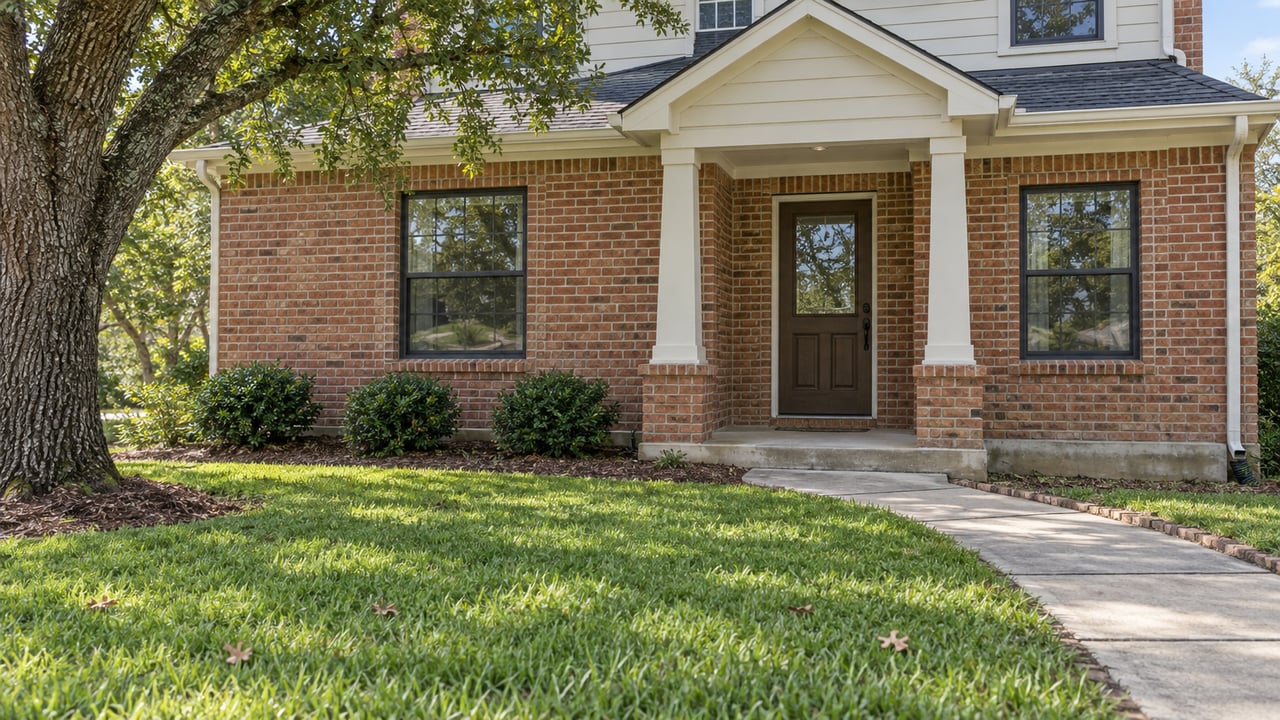
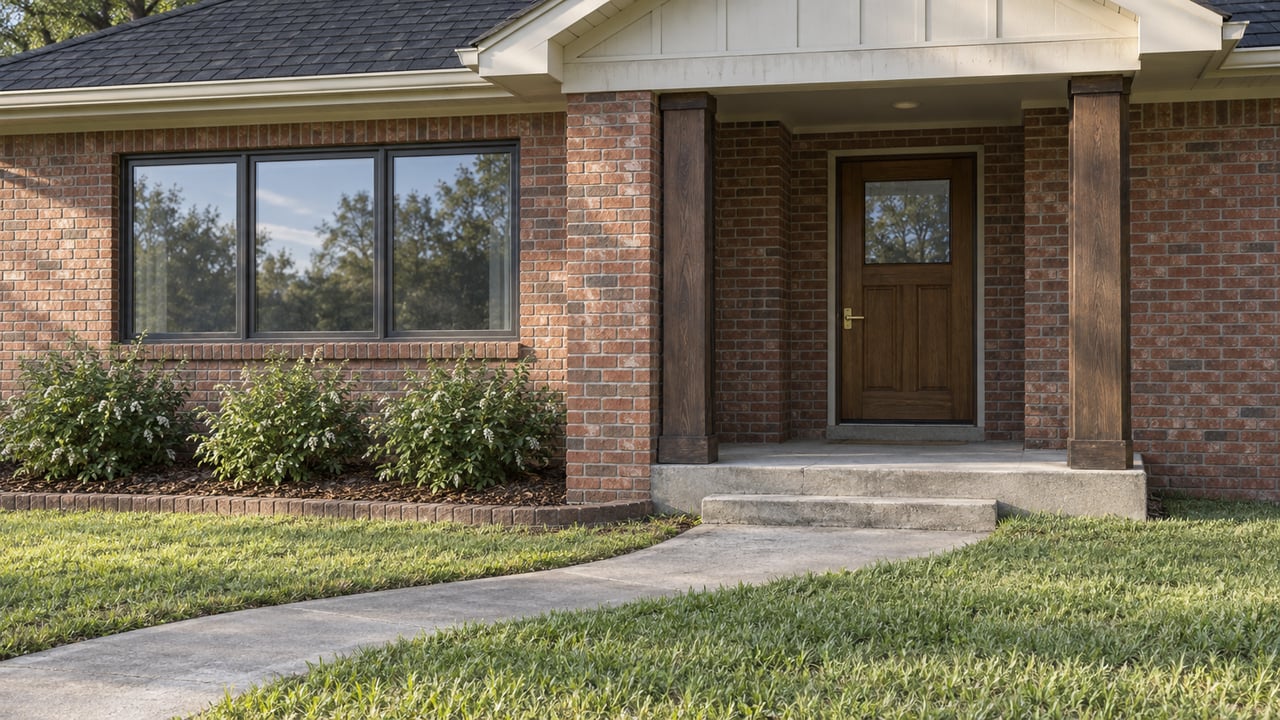
In Bee Cave, attached housing often means a two-story layout, three bedrooms, an attached garage, and a smaller private outdoor area. You may give up some yard space, but in exchange you often gain access to shared amenities and less exterior upkeep. That tradeoff is a big part of the appeal.
Current local examples help paint the picture. Some Bee Cave townhome communities feature private fenced yards, full-size two-car garages, pools, fitness centers, lounges, playrooms, walking trails, dog parks, BBQ and picnic areas, gated access, and on-site or on-call maintenance. Floor plans in current examples commonly range from about 1,695 square feet to more than 2,200 square feet, with many offering three bedrooms and 2.5 baths.
That means attached living in Bee Cave does not always mean small. In many cases, you can still find a home with functional square footage, multiple bedrooms, and a garage, but with a more manageable maintenance footprint than a larger detached property.
Why amenities are common in Bee Cave communities
If you notice that Bee Cave’s condo and townhome communities seem amenity-heavy, there is a reason. The city’s development code expects larger residential developments to provide open space and HOA-maintained recreation. That can include paths, dog parks, BBQ areas, swimming pools, and connections to nearby trail systems.
This local code shapes the buyer experience. Instead of each homeowner maintaining a large private lot, many attached-home communities shift some of that lifestyle value into shared spaces that are maintained by the association.
Who condo and townhome living may suit
For some buyers, Bee Cave condos and townhomes can be a smart fit because they reduce the amount of exterior work that comes with homeownership. If you want a home base in Bee Cave but do not want to spend as much time on yard work or exterior maintenance, attached housing may be worth a closer look.
These homes can also appeal if you prefer a more centralized location near the Hill Country Galleria or the Town Center area. Community features like gated access, attached garages, shared amenities, and on-call maintenance can support a more lock-and-leave lifestyle. That can be especially useful if your schedule is busy or you simply want lower day-to-day upkeep.
How attached homes compare with detached homes
The biggest difference usually comes down to tradeoffs. In Bee Cave, detached single-family homes remain the dominant local housing type, and they often offer larger yards, more separation from neighbors, and fewer shared-rule obligations. For some buyers, that extra autonomy is a major advantage.
Condos and townhomes tend to offer the opposite balance. You may have less outdoor space and more association rules, but you also may have less exterior maintenance and more access to shared amenities. If your priority is convenience and a smaller maintenance footprint, attached housing can make a lot of sense.
Here is a simple side-by-side view:
| Feature | Condo or Townhome | Detached Home |
|---|---|---|
| Outdoor space | Usually smaller private yard or shared space | Usually larger private yard |
| Maintenance | Often less exterior upkeep for you | More upkeep is often your responsibility |
| Amenities | Shared amenities may be included | Amenities vary by property |
| Rules | HOA or condo rules are common | Fewer shared-rule obligations in many cases |
| Privacy and autonomy | More shared walls or common areas | More separation and control |
Understand the ownership structure first
Before you buy, make sure you understand the legal form of ownership. Under Texas law, a condominium is a form of real property where some portions are separately owned and the rest is common property owned in undivided interests by the unit owners. Texas law also distinguishes between common elements and limited common elements, which is why condos are often reviewed differently from detached homes.
That distinction affects practical questions like who maintains the roof, exterior walls, yard areas, driveways, or shared amenities. It can also affect what you are actually buying and what parts of the property you have the exclusive right to use. In a Bee Cave condo or townhome purchase, this is one of the first things you should verify.
Review HOA documents carefully
If the home is governed by an HOA or condo association, the governing documents matter just as much as the floor plan. Texas Property Code Chapter 209 addresses items like HOA records, dues, meetings, voting rights, and certain lien foreclosure standards. The Texas State Law Library also notes that buyers should read the governing documents because restrictions, fines, meeting procedures, and operating rules come from those documents along with state law.
This is important because there is no single state agency that oversees or investigates HOA complaints. That makes your upfront review even more important. You want to know the rules before you commit, not after closing.
What to check in a condo resale certificate
If you are buying a resale condo, the Texas Real Estate Commission condominium resale certificate is a key document. It requires disclosure of the periodic common expense assessment, unpaid assessments, approved capital expenditures, reserves, the operating budget, judgments, pending suits, insurance coverage, known violations, leasehold information, transfer fees, and any required reserve contribution.
The certificate must be prepared no more than three months before it is delivered to the buyer. For you, this document can reveal whether the association appears financially stable and whether there are potential costs or legal issues that deserve a closer look before you move forward.
Insurance works differently here
Insurance is another area where condos and townhomes differ from detached homes. According to the Texas Department of Insurance, condominium insurance typically covers the unit’s interior and your personal property. Townhouse insurance may cover only the interior or both the interior and exterior, depending on what the HOA master policy covers.
That is why you should review the association documents and the master policy before finalizing your budget. If you assume the HOA covers more than it actually does, your own insurance costs could be higher than expected.
A practical Bee Cave buyer checklist
When you are comparing condo and townhome options in Bee Cave, these are smart questions to ask early:
- Confirm the legal form of ownership and who maintains the exterior and common elements.
- Review monthly dues and exactly what those dues cover.
- Ask about reserves, special assessments, and any pending litigation.
- Verify rental rules, transfer restrictions, and any right of first refusal.
- Check the HOA or condo master policy so you understand what your own insurance needs to cover.
- Confirm guest parking, garage rules, pet rules, and amenity access in the governing documents.
The bottom line on Bee Cave attached living
Condo and townhome living in Bee Cave can be a strong option if you want a home that is easier to maintain and closer to the city’s more walkable, amenity-rich areas. While attached housing is still a smaller part of the local housing mix, it gives buyers another way to enjoy Bee Cave without taking on the full maintenance load of a detached home.
The key is knowing what you are buying. When you understand the ownership structure, review the HOA documents closely, and confirm insurance and fee details up front, you can make a more confident decision about whether this style of living fits your goals.
If you are exploring condos, townhomes, or detached homes in Bee Cave, Donnette Premier Group can help you compare your options with clear, local guidance and a smooth, well-managed process.
FAQs
What is the difference between a condo and a townhome in Bee Cave?
- In Bee Cave, the difference often comes down to the legal ownership structure and maintenance responsibilities. A condo typically includes separate ownership of the unit with shared ownership of common property, while townhome responsibilities can vary based on the community’s governing documents and insurance setup.
Are condo and townhome communities common in Bee Cave?
- Attached housing exists in Bee Cave, but local planning documents show it is still a smaller segment of the market compared with detached single-family homes.
What amenities do Bee Cave townhome communities often offer?
- Many Bee Cave attached-home communities feature amenities such as pools, trails, dog parks, BBQ areas, fitness spaces, gated access, and on-site or on-call maintenance.
What should you review before buying a Bee Cave condo?
- You should review the resale certificate, monthly dues, reserves, approved capital expenditures, pending litigation, association rules, transfer fees, and insurance coverage.
How does insurance work for a Bee Cave condo or townhome?
- Insurance coverage depends on the property type and the HOA master policy. Condo insurance often covers the interior and personal property, while townhome coverage may apply only to the interior or to both the interior and exterior.
Who may benefit most from condo or townhome living in Bee Cave?
- Buyers who want lower day-to-day upkeep, shared amenities, and a more centralized location near Bee Cave’s Town Center or Hill Country Galleria area may find attached living especially practical.